

Review
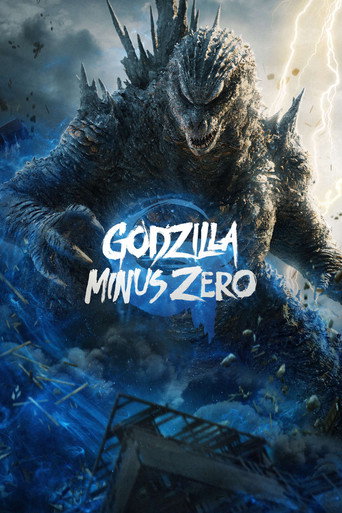
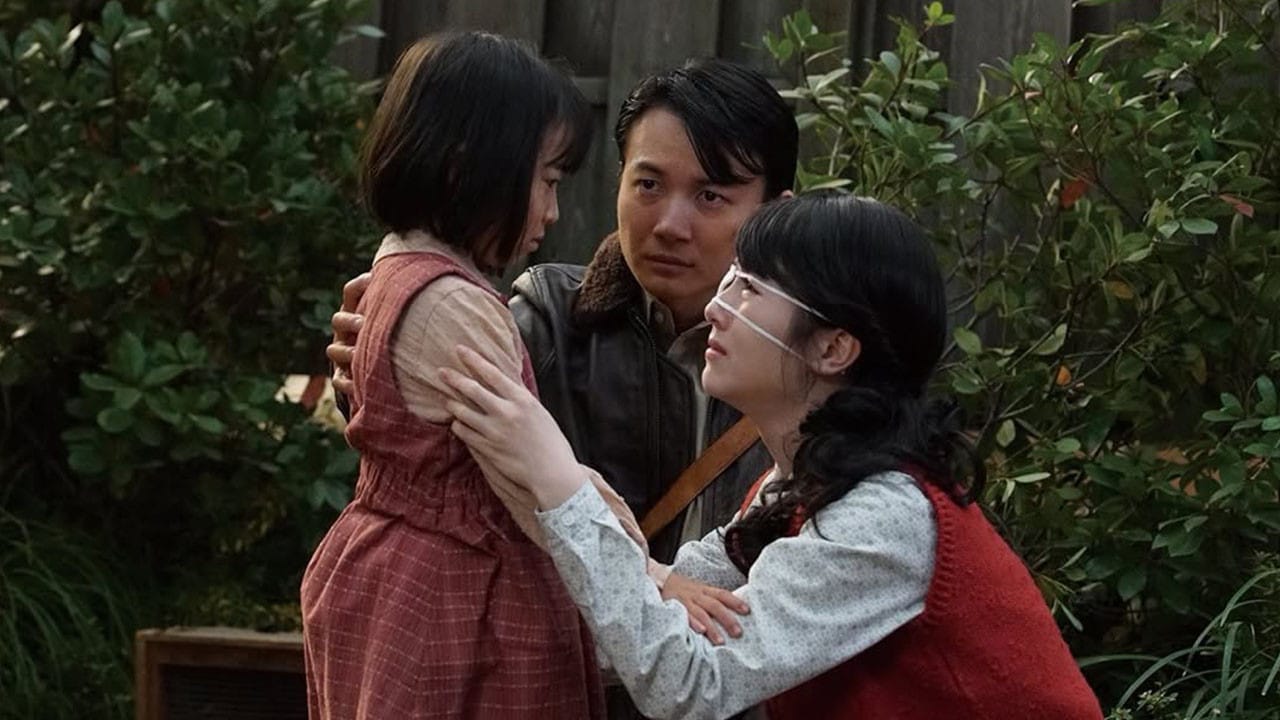
It's 1949, two years after Godzilla was defeated, following the devastation he wrought on an already war-torn Japan. Recovery's been slow, but promising, and not just for the country, but for ex-kamikaze pilot Kōichi Shikishima (Ryunosuke Kamiki). He's finally married to Noriko (Minami Hamabe), who miraculously survived Godzilla's attack on Ginza, and has come to terms with his survivor's guilt from the war. He's still friends with military scientist Kenji Noda (Hidetaka Yoshioka), who was instrumental in Godzilla's defeat and now runs a civilian task force dedicated to studying and preventing future kaiju threats. Their foresight is quickly proven right when a new creature emerges from a crashed meteorite and unleashes unrelenting havoc, derailing Japan's hard-won recovery and testing the moral limits of a nation on the brink of being reduced back to zero.
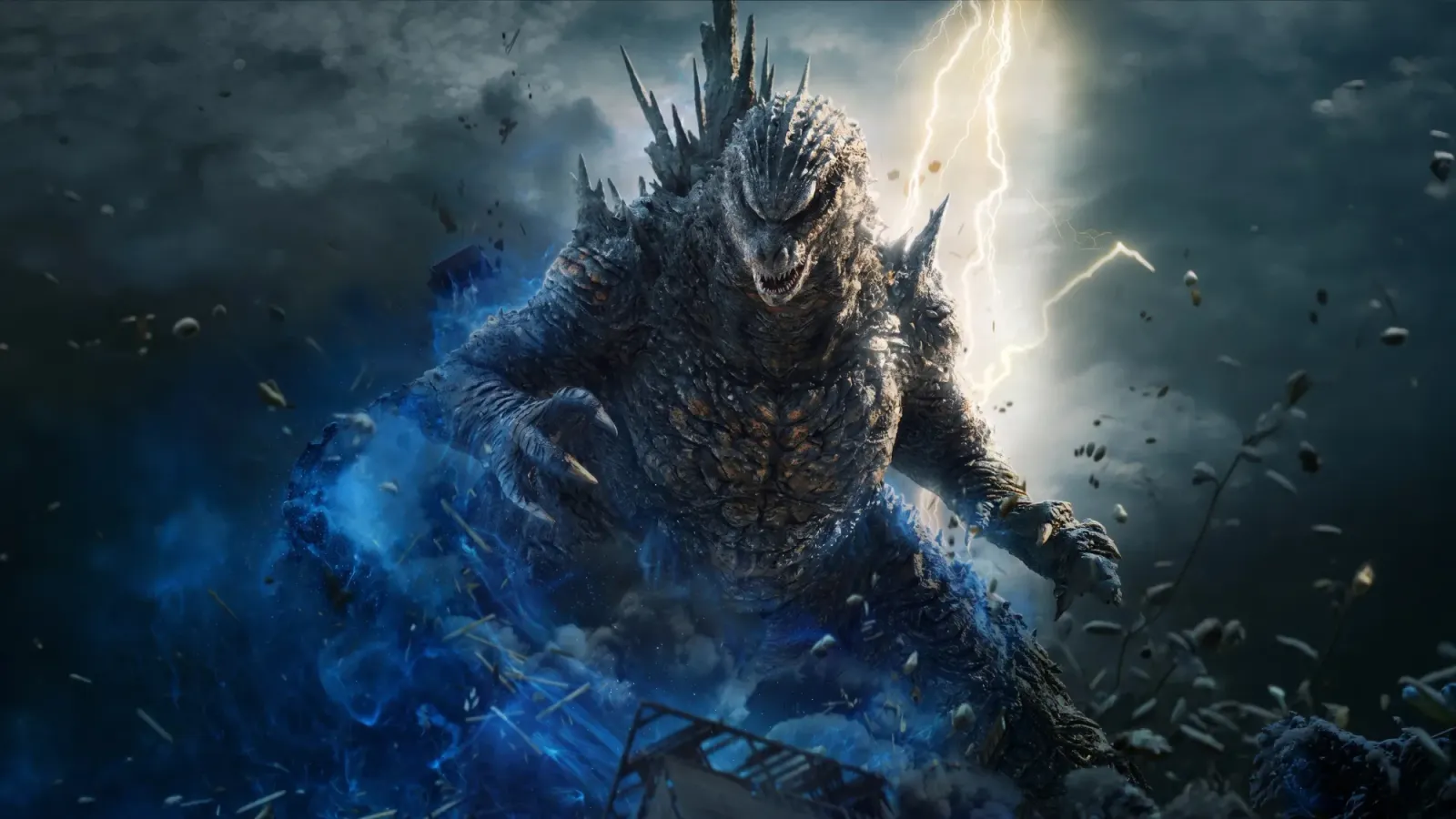
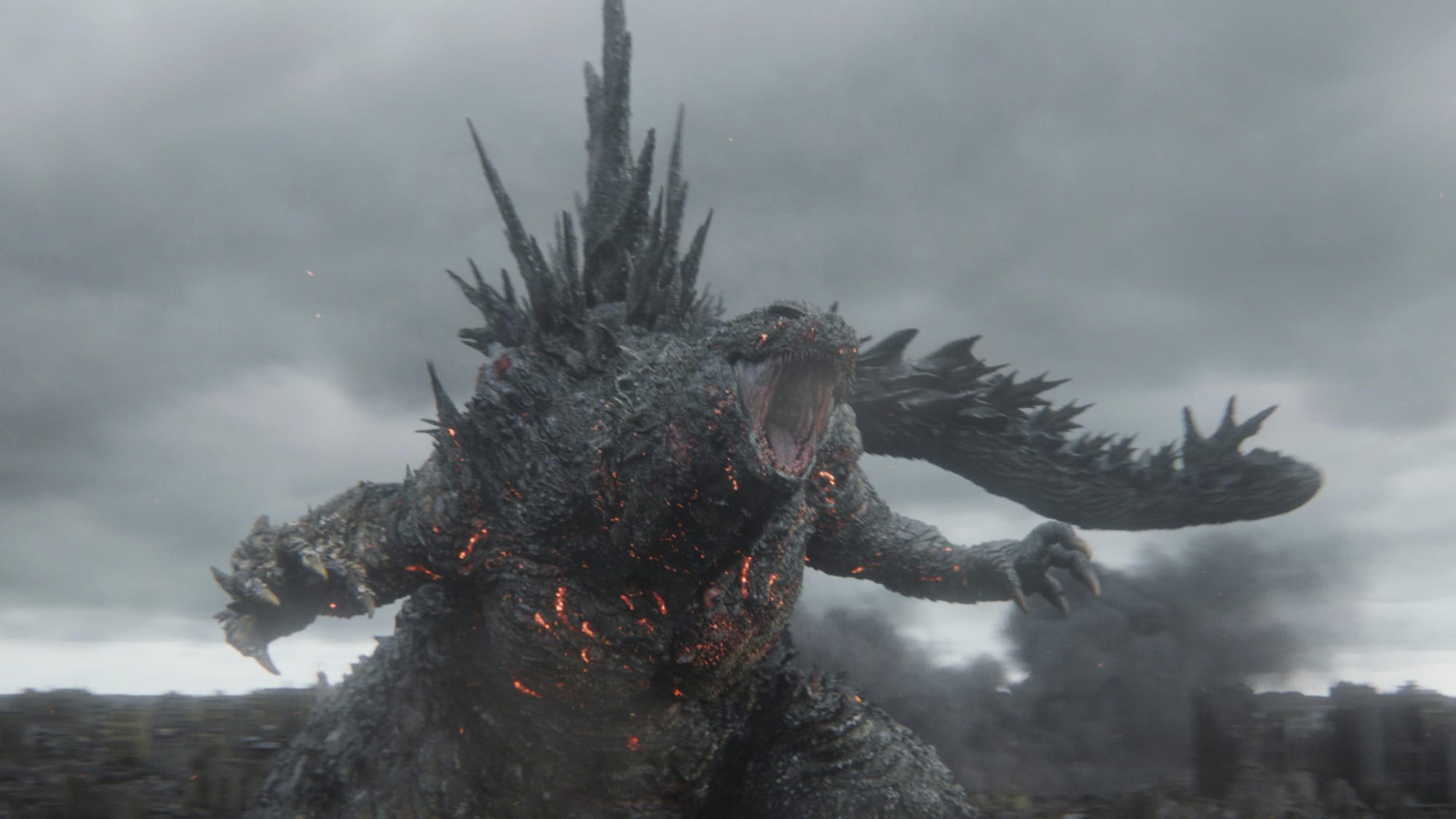
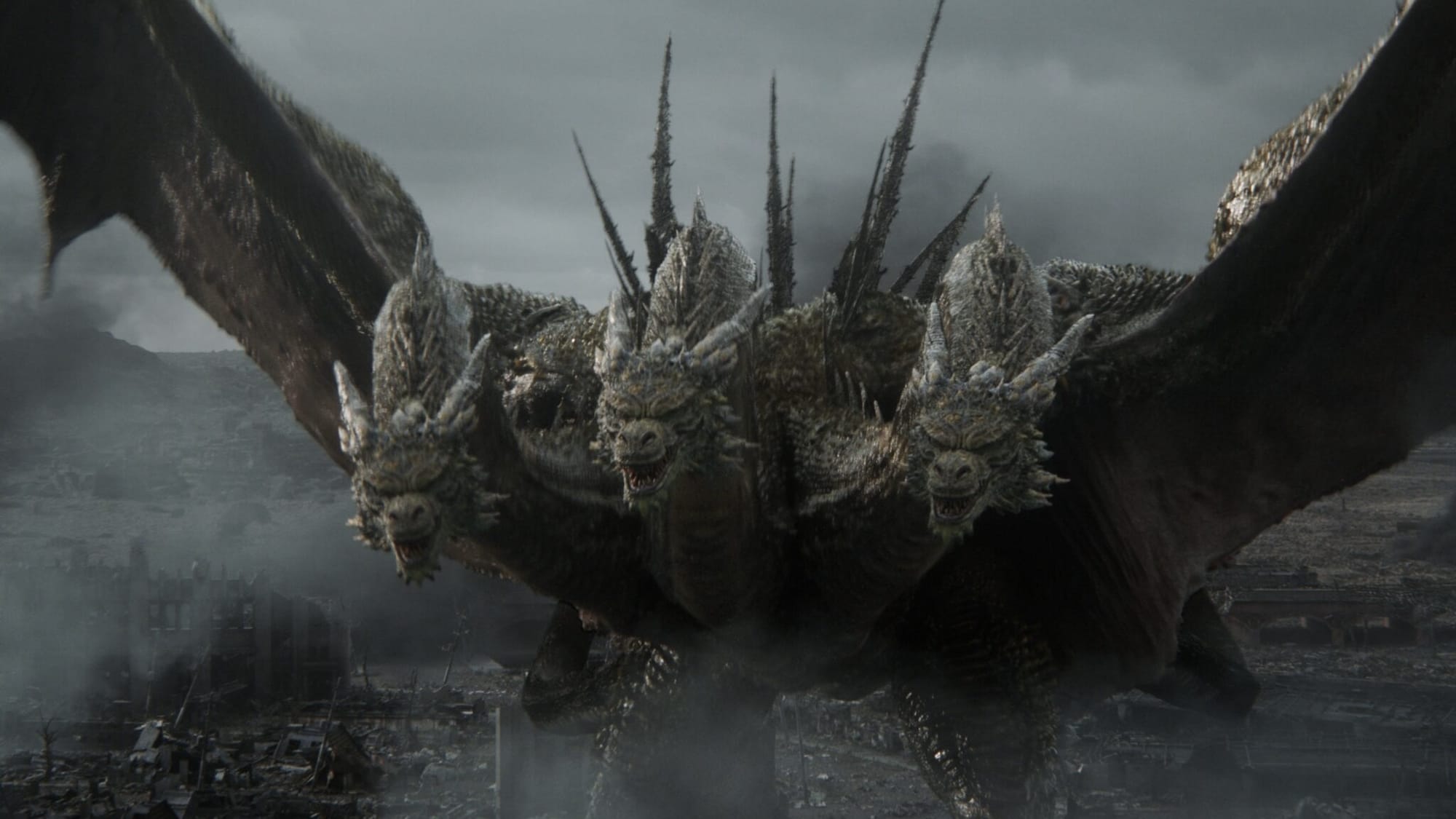
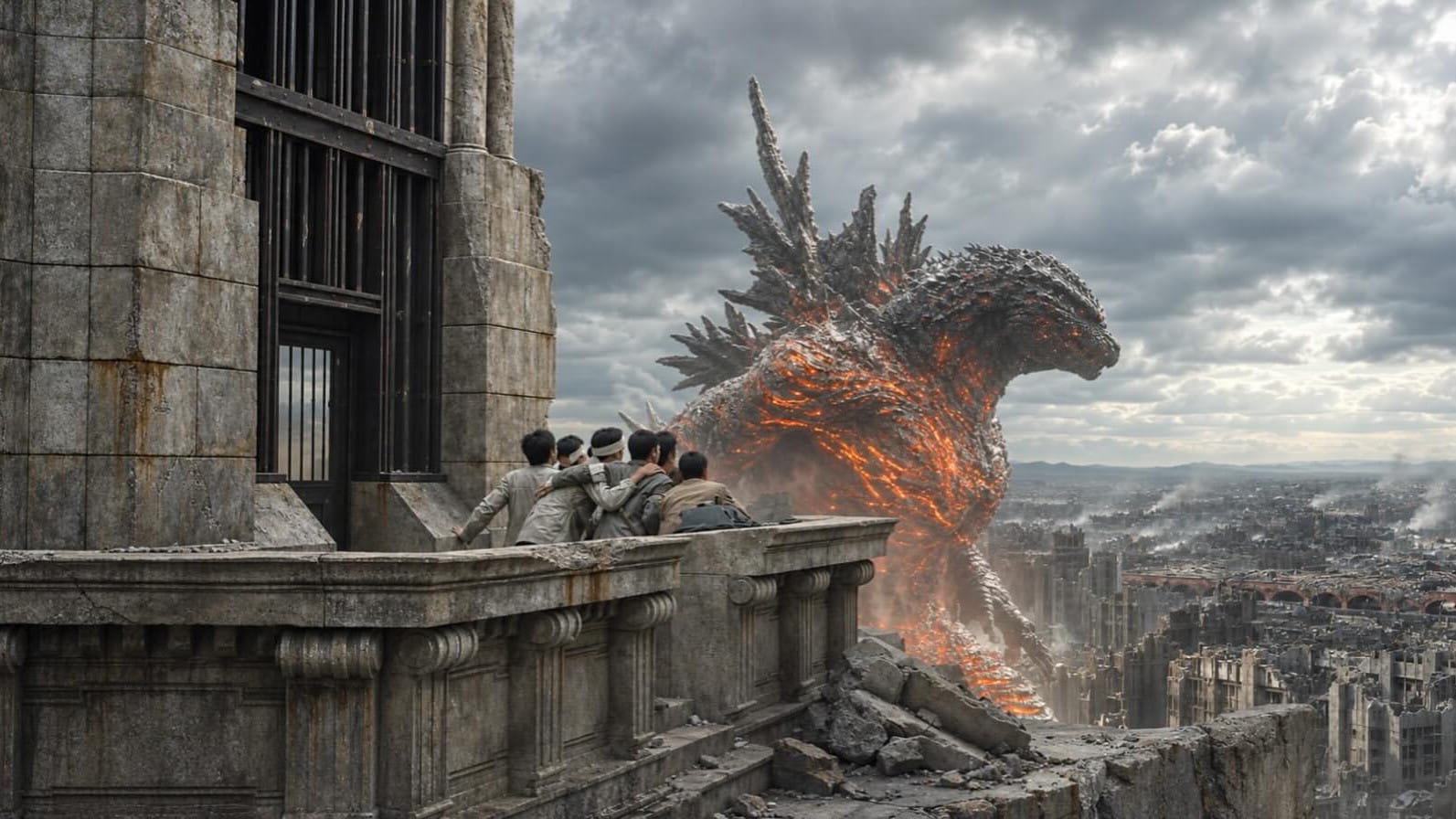
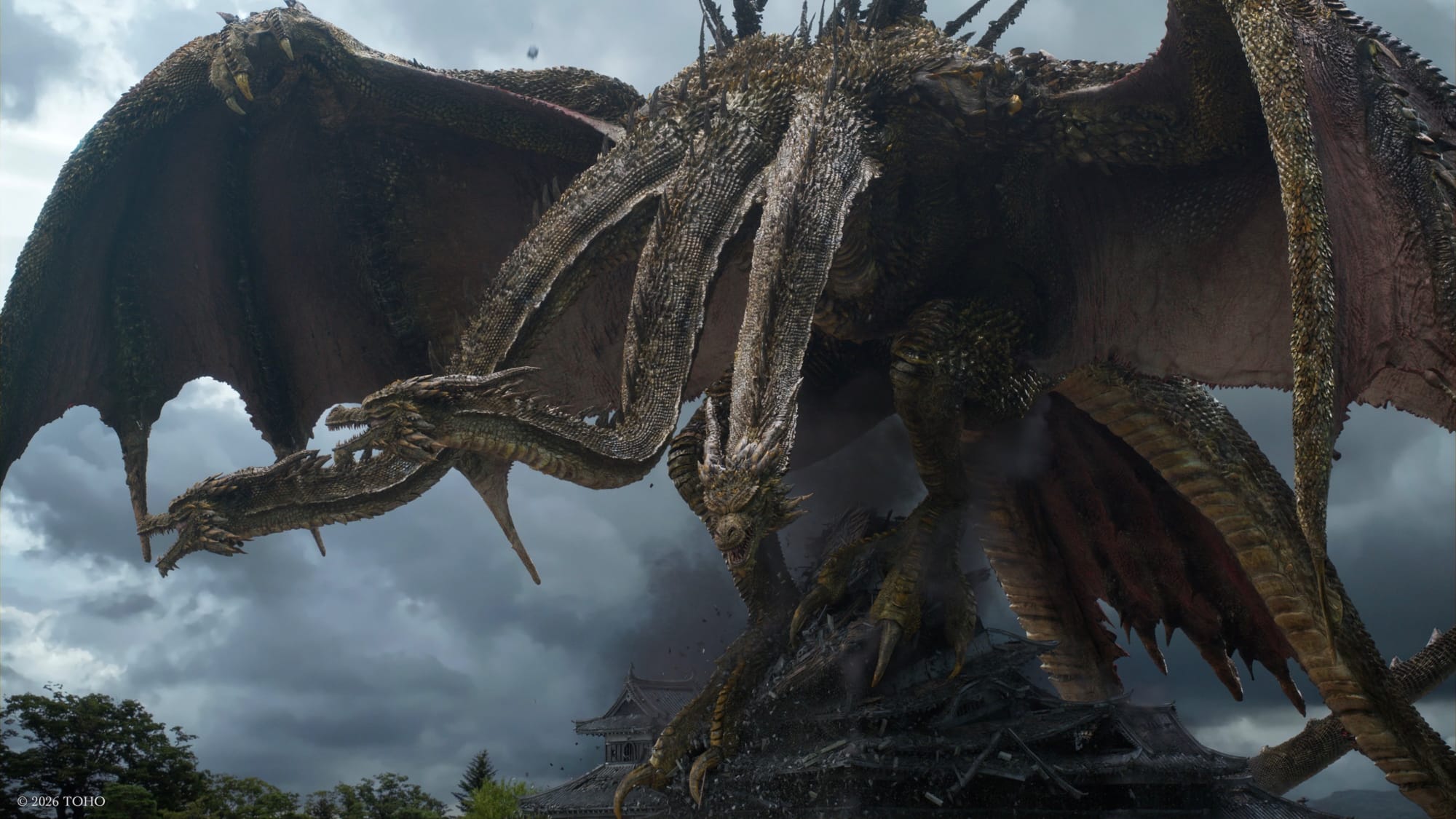
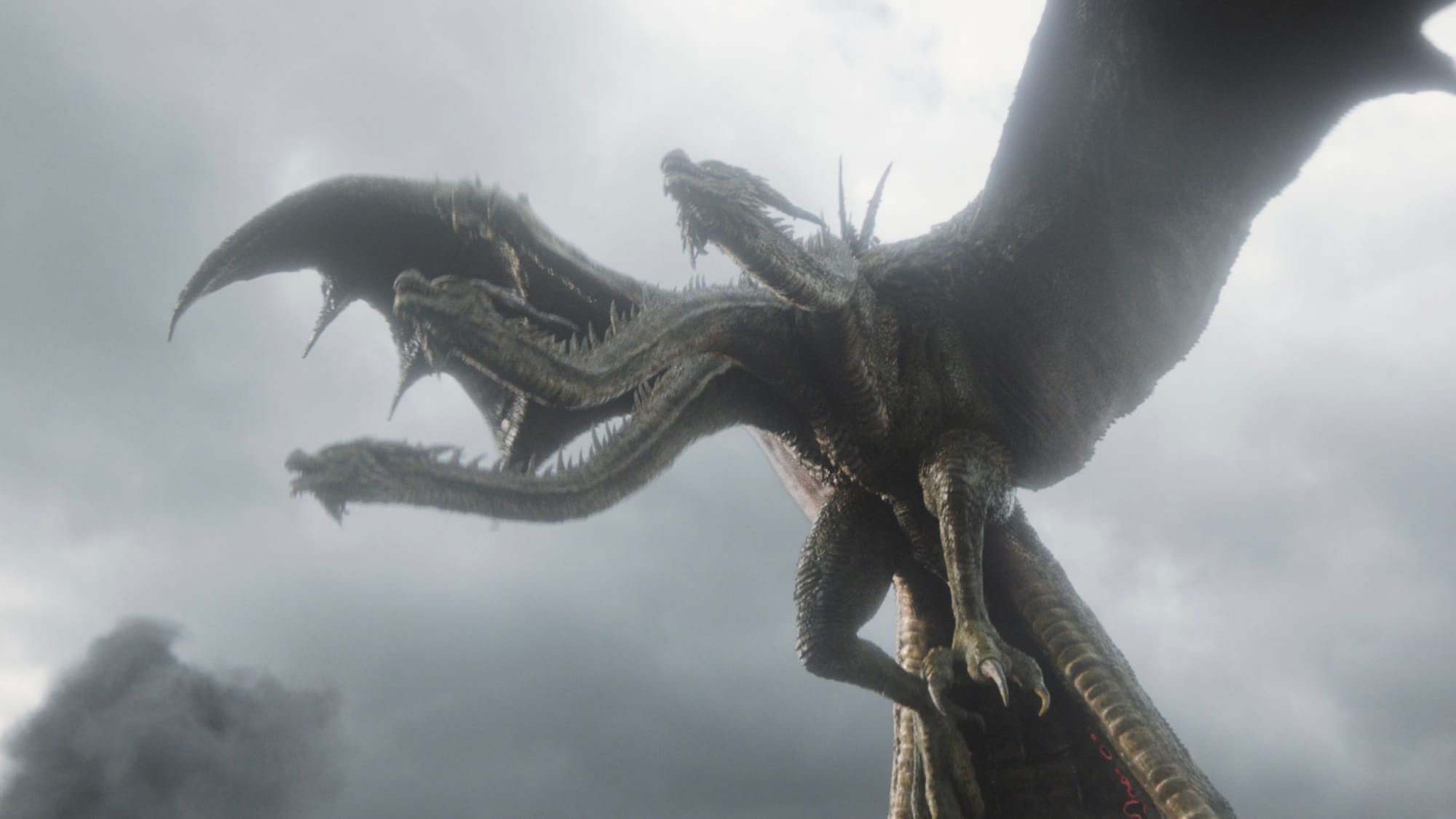
Godzilla Minus Zero is a lock to win an Academy Award for VFX, just as Minus One did. Writer and director Takashi Yamazaki, a VFX artist himself, once again overcomes a modest budget with his innate understanding of physics for giant fantastical creatures and just knowing what looks fucking rad on a big screen. Each kaiju moment is truly breathtaking, both in the chaos they cause to the cities and in the ways they brutalize each other. The Monsterverse iterations of kaiju favor wrestling moves and anthropomorphic fight scenes, but Yamazaki keeps his kaiju's movements grounded in their physicality; they move as their biology dictates, not how humans would. Ghidorah is absolutely terrifying, exhibiting a pettiness that separates him from Godzilla's callousness. Godzilla doesn't have a target; he ruins everybody's day, whereas Ghidorah likes to taunt and single out targets, like a child using magnifying glasses on ants.
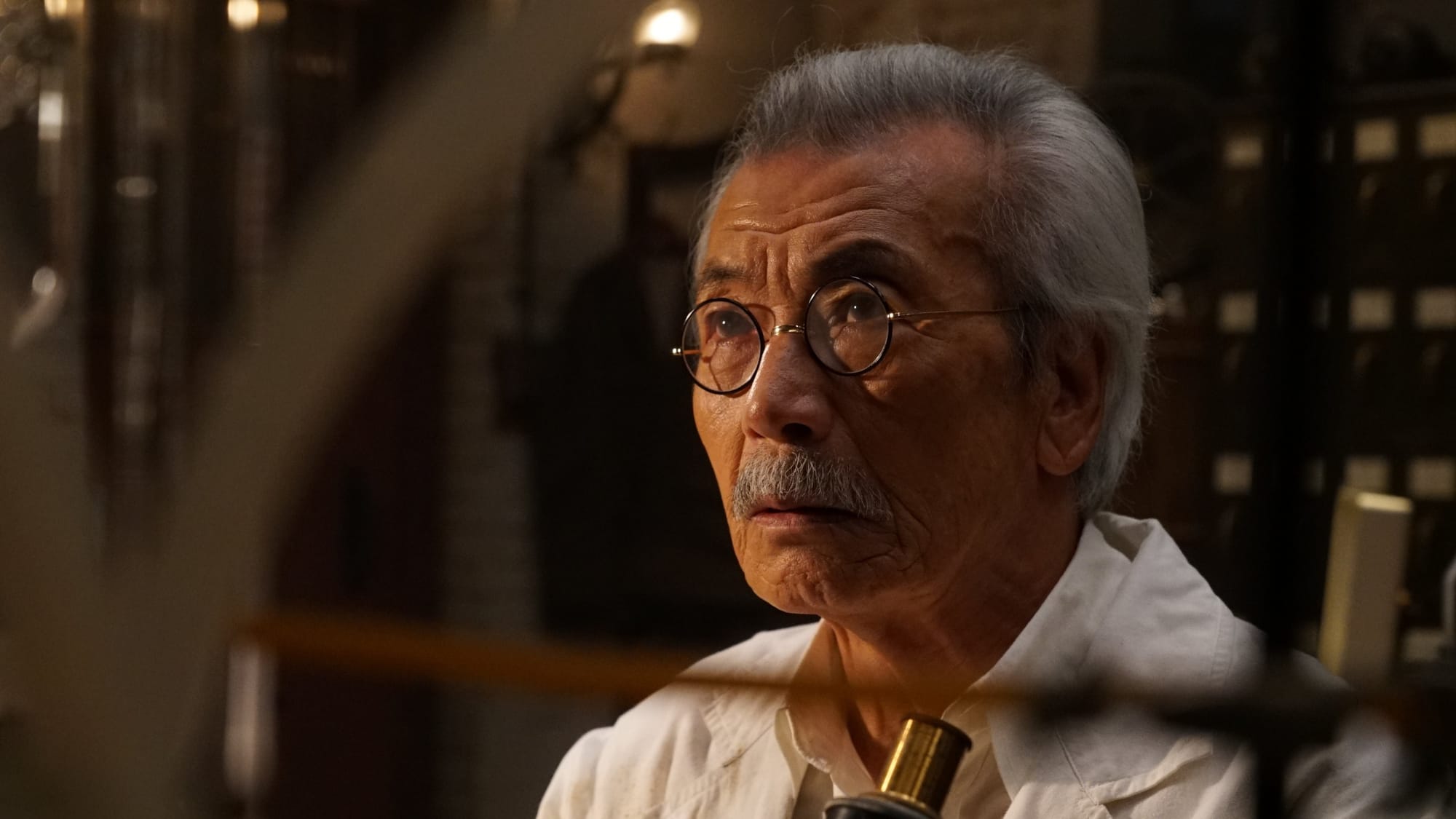
Yamazaki has a gift for balancing kaiju action with human drama. Minus Zero opens similarly to Minus One, with Ghidorah immediately laying waste to the city of Matsumoto in a cold open accompanied by a piercingly terrifying leitmotif by composer Naoki Satō. It's then followed by a catch-up with our beloved characters from Minus One, as well as the introduction of a couple of newcomers, most notably meteorologist Makoto Aoyama (Masami Nagasawa) and Hiroshima survivor and scientist Kanji Murakami (Min Tanaka).
If Minus One was an allegory for the introduction of atomic power to the world, Minus Zero explores how that power changes the world. The Americans left Japan to fend for itself in Minus One, but now have a vested interest in weaponizing creatures like Ghidorah and Godzilla now that the Cold War has started. This is especially grotesque after the atomic bombing of Nagasaki and Hiroshima, which Kanji experienced firsthand, and he's carrying the ghosts of his family and a rage that could spell doom for more than just Ghidorah if his ideas are fully realized.
The human drama remains the primary driver of the story, but it's also where the movie starts to buckle. There are moments when plans are formulated, but we only get to see the beginning and end of the conversation, discovering the plan when it happens. This leads to confusing editing choices and time jumps, and it feels unnecessarily clever, narratively. Kanji's character arc gets some of this as well, using impressionistic techniques that are as disorienting as they are illuminating, and not always in a positive way. That said, Yamazaki trusts the audience, and the actors carry us through shaky story choices with sincere, compelling performances.
Godzilla Minus Zero is a towering blockbuster that mostly lives up to the promise of 2023's Godzilla Minus One. Both films should be the template for how modern blockbusters are made, and I can't wait to see what Yamakazi does next, Godzilla or otherwise.
The Afterimage
Some years ago, I visited the Peace Memorial Museum in Hiroshima, Japan, and it was one of the most solemn experiences of my life. It's the only time I've ever felt a place might actually be haunted. There's a psychic residual energy there that I couldn't quite explain. It's one thing to learn about what happened during and after the atomic bomb went off, but it's another to walk through the actual space it happened in. What struck me most was the frank, matter-of-fact retelling of the events in the museum. I couldn't detect any hints of anger or commentary in the descriptions. I don't know why I expected any, but it made the whole experience all the more harrowing to see the bombing described so plainly.
The idea of Japanese rage against the United States for committing two horrific atrocities (in my opinion, war crimes) in dropping atomic bombs on civilians at Hiroshima and Nagasaki is not something I've ever seen depicted in media. Granted, this is likely a me problem, as an American who just hasn't watched enough Japanese cinema. But there is a moment in Godzilla Minus Zero that brought me back to my experience at the museum, and this idea of vengeance for what we did to them.
Spoiler Warning
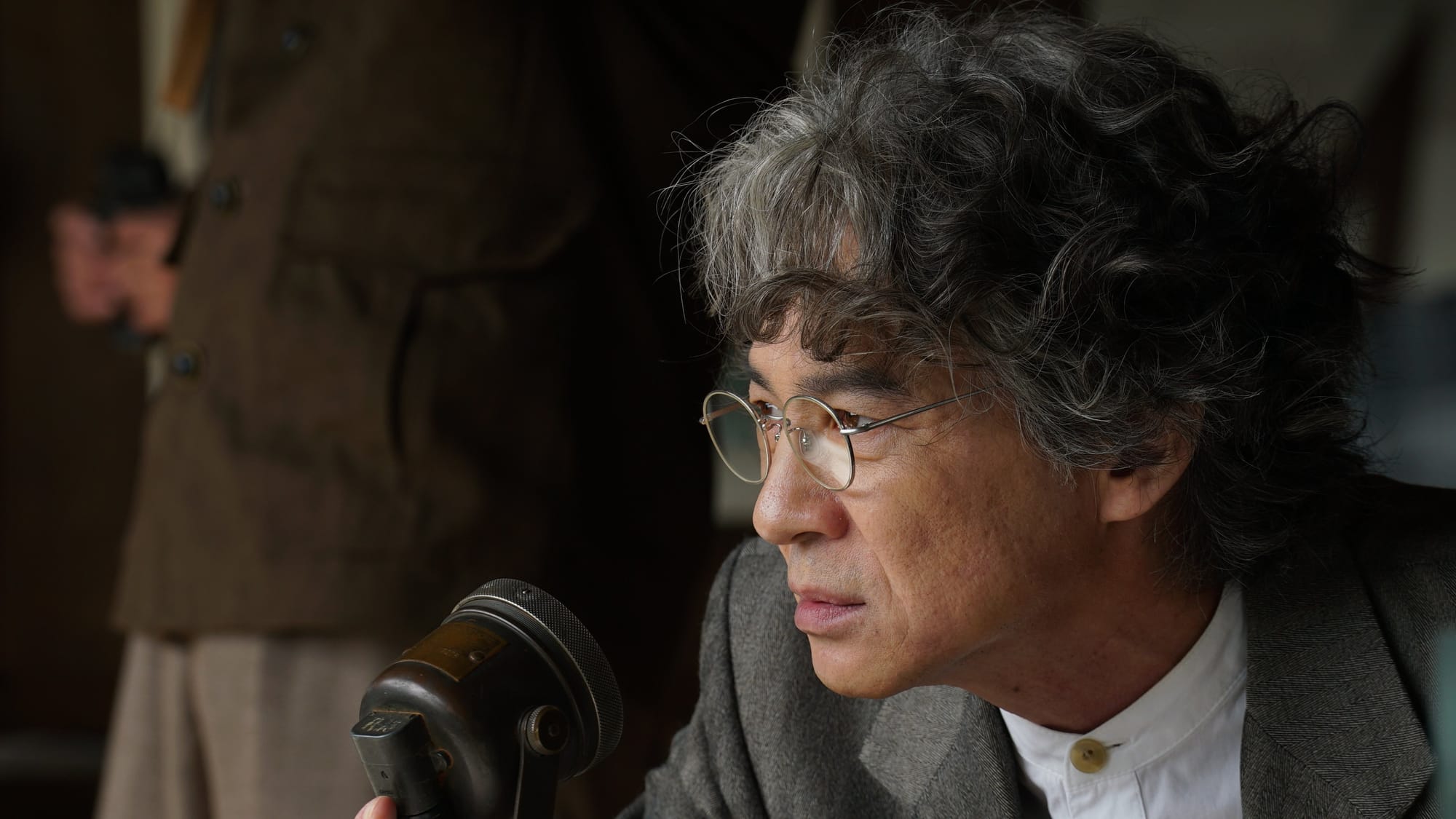
Prior to the events of Godzilla Minus One, Kanji Murakami lost his entire family in the bombing of Hiroshima. We see him sifting through the wreckage of the attack and finding their charred remains. In the present, Murakami joins Noda's team to help stop Ghidorah, but their efforts only make him stronger. He's among the scientists who suggest that (now) King Ghidorah is beyond their ability to defeat, and that they should consider enlisting Godzilla to fight him. He creates a "resonance wave amplifier" device that can lure Godzilla wherever they need him, but there is more to it than meets the eye.
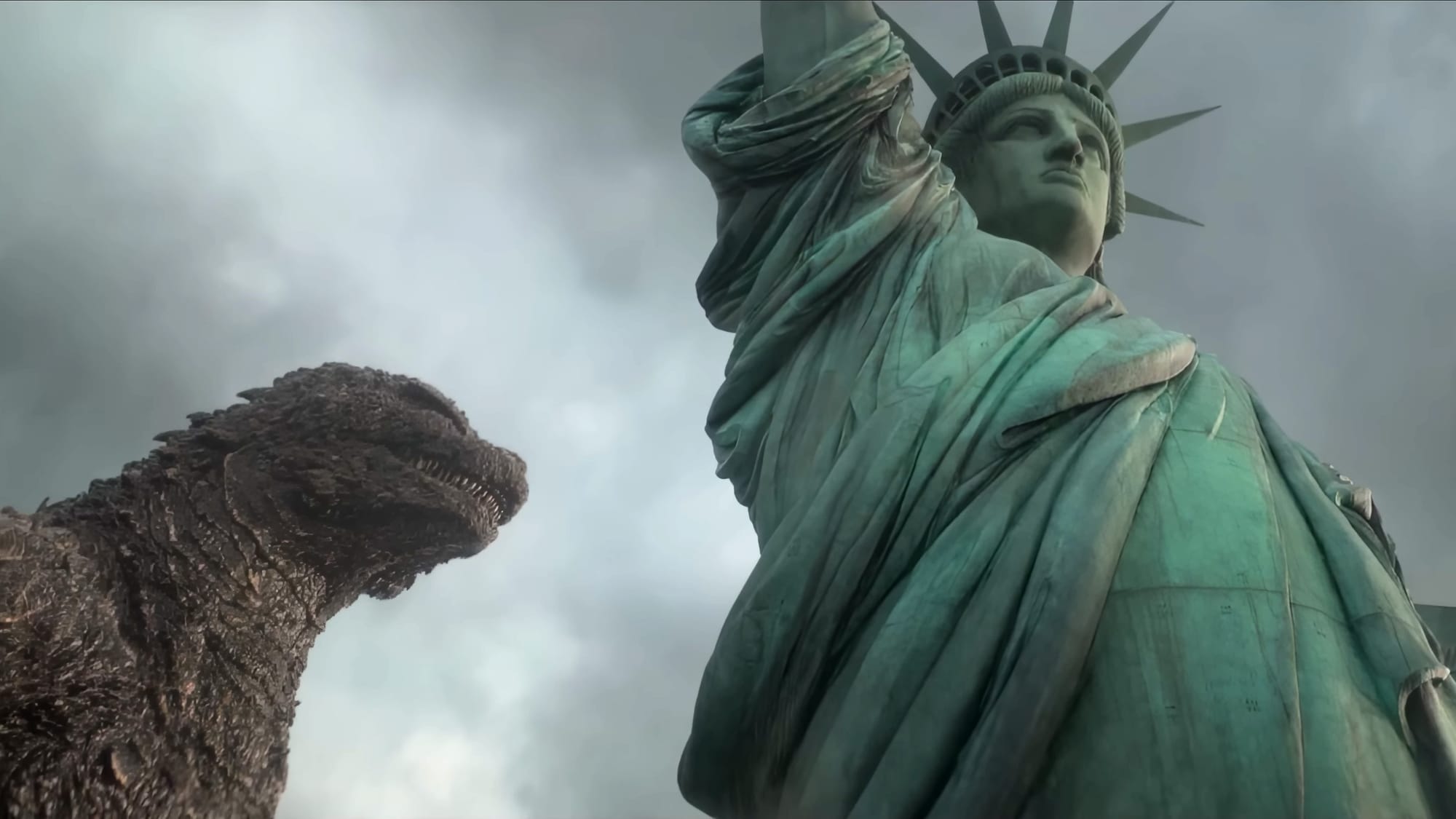
We see a sequence in which the device lures Godzilla to New York City and unleashes his atomic breath. The heat of the blast boils and melts the skin off of citizens as the ensuing explosion and subsequent implosion raze the city to the ground. This turns out to be a dream sequence from Murakami, his heart filled with vengeance against the Americans, and his ultimate reason for creating this device. He wants to weaponize Godzilla in the hopes of unleashing the incalculable loss and pain that have broken his heart on America.
Noda, meanwhile, has been wracked with guilt over the weapons he developed during the war, and when he learns of Murakami's desires, he reacts with empathy instead of horror. He doesn't judge Kanji, but he does implore him to let go of the hate in his heart. Not because America deserves his forgiveness, but because he will begin a cycle of endless devastation that could bring humanity itself into the abyss.
That dream sequence and the ensuing theme of atomic vengeance really struck a nerve with me. My favorite theme from Godzilla Minus One was the idea that Japan had treated life too cheaply, best exemplified by the use of kamikaze pilots like Kōichi. It's a good theme with a noble conclusion, but it would be irresponsible to forget that Godzilla arrived in a Japan already devastated by the U.S. military and then subsequently demilitarized. It shouldn't surprise anyone that someone (and likely many people) would view the arrival of kaiju as an opportunity disguised as yet another tragedy. Kanji's motives parallel the duplicity of the Americans, who are also helping Japan's efforts against the kaiju as a means to weaponize either one against the Soviet Union as the Cold War begins to take shape.
I don't know if any other movies deal with the aftermath of Hiroshima and Nagasaki in terms of anger or vengeance, and I can't imagine the catharsis that might have happened while exploring that theme in Minus Zero. I think both this and Godzilla Minus One would make an excellent triptych with Christopher Nolan's Oppenheimer. Not only do Kanji and Oppenheimer share the same space as scientists who create world-shattering inventions, but Kanji's arc is a direct consequence of Oppenheimer's actions. Godzilla himself is a result of atomic testing during Minus One. Oppenheimer ends with the guilt that he may have actually caused the end of the world, and when paired with Yamakazi's Godzilla movies, he has no idea how right he was.
Projection Booth
- The rest... I leave to you.
- Kenji Noda
- Mr. Noda, there's more eyes to be opened, right?
- Kanji Murakami
- Have a safe trip
- Akiko