

Review
This review won't have a rating, as it feels inappropriate to rank a documentary like NAZA, especially when it's less a documentary than investigative journalism of an atrocity unfolding in real time.
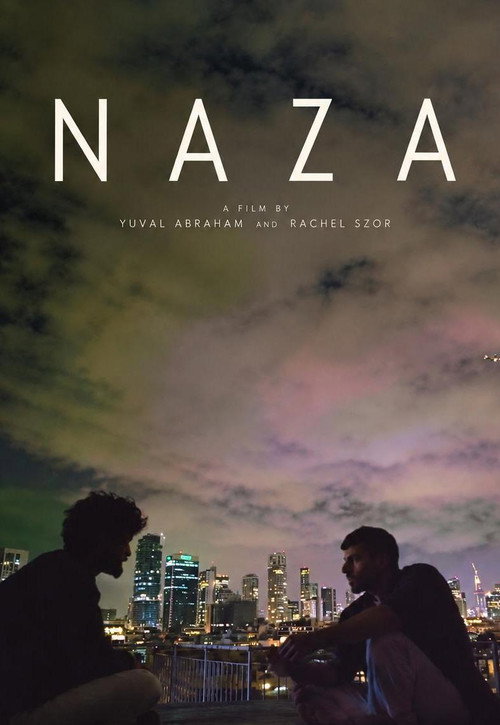
NAZA is comprised of a set of 24 nighttime interviews with anonymous Israeli soldiers and intelligence officers about their use of AI to identify targets in the Gaza genocide. They're ostensibly only targeting Hamas soldiers, and each target is assigned a NAZA value, which is an acronym for a Hebrew word meaning "collateral damage." The lower the value for a given target, the less authorization is needed to order a strike (although one soldier mentions a value of 500 was approved with little issue). As the interviews progress, "collateral damage" becomes increasingly indiscriminate, and the NAZA value loses any meaning (the combined values exceed the entire population of Gaza).
NAZA is an admission of genocide straight from the perpetrators' mouths. Most of this information had already been reported by The Guardian and other news sources, but hearing people talk so casually about the hundreds of deaths they've caused of people they've never met is one of the most harrowing experiences I've had in a theater. There are moments of regret or attempts to justify their actions ("I was a cog in a machine"), but they ring hollow when they describe the culture on the job. One soldier says they were provided access to psychologists, in case they were disturbed by what they were doing, but that no one in his unit ever needed them. They could order a strike and then go to lunch with their friends.
The use of dispassionate AI algorithms exacerbates this complete dehumanization of the Palestinian people. The most ghastly of these is nicknamed "Where's Daddy," which monitors the phones of Hamas targets' children and listens for words indicating their father has come home, and then orders a strike that kills the entire family. It's stated that while the IDF could target Hamas operatives in the field if they wanted to, it's just easier and more reliable to do so when they're at home. The women, children, and other families that might be living there are all covered by the NAZA value, so it becomes a non-issue for the soldiers.
All of this intercuts with voyeuristic shots of Israelis at home in their apartments, cooking, watching TV, having peaceful and normal lives (even as Israeli propaganda is on their screens), oblivious or indifferent to the scenes of horror playing out just an hour's drive from Tel Aviv. Any viewer with any decency in their heart will be appalled by the banal inhumanity of the IDF's campaign being described so calmly. Still, the filmmakers make sure viewers safely in a dark theater room continents away understand the reality behind the otherwise serene atmosphere. The final shots are phone camera footage from Gaza showing the devastating results of the "video game" the soldiers are playing. The limbs of children and neighbors protrude from the rubble of buildings; desperate parents and neighbors call into the rubble for their missing loved ones, and a cacophony of screams and crying all around.
I understand why some are upset that a documentary focused on the voices of the perpetrators of a genocide is getting so much attention, when we should be hearing the voices of the victims. In a perfect world, we wouldn't need to hear Israeli soldiers confess to crimes the world can plainly see, and the members of the Israeli government and military would be on trial at The Hague. But that's not the world we live in, and we need every avenue available to document what's happening and to convince some people who refuse to acknowledge it. It's as important to history as the testimony of Nazis at Nuremberg, and maybe more so because the genocide is ongoing, whereas Nuremberg was after the fact.
I think one soldier's cognitive dissonance exemplifies this. He remarks that when studying in Poland, he couldn't fathom how the soldiers in the Nazi regime could be so callous and inhumane about killing Jews. Now, after his experiences in the IDF, knowing how easily he killed so many Palestinians with the touch of a button, he finally understands. But then he asks, "I still see those Nazis as evil, but what does that mean I am?" Even after directly admitting that he participated in a genocide that deliberately targeted civilians, he still doesn't see himself (or won't allow himself to) as the same as those who perpetrated the same horror on his own people.
The Israeli government has begun its campaign to discredit the film, threatening to revoke the citizenship of the filmmakers, threatening to charge the soldiers who were interviewed with treason, and even releasing its own counter-propaganda rebuttal with the same name. This makes NAZA both urgent journalism and one of this year's most important films. After its theatrical release, The Guardian will stream it for free on its website so anyone in the world can see it.
This genocide must end, and Palestine must be free. As much as I think it's important for everyone to watch this documentary, in the interest of uplifting voices from Palestinians, below are links to documentaries and films from Palestinian filmmakers about the conflict:
- No Other Land (co-directed by NAZA's Israeli filmmakers with Basel Adra & Hamdan Ballal)
- The Voice of Hind Rajab
- Echoes of a Lost Gaza
- From Ground Zero