


Going In
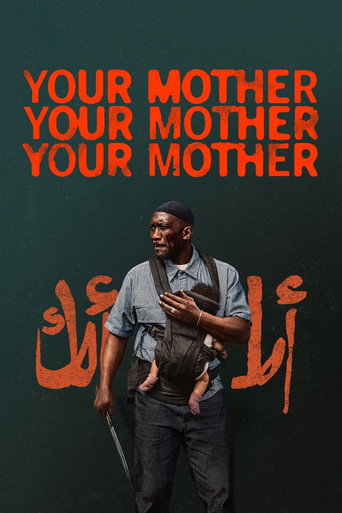
In a way, Your Mother Your Mother Your Mother is a second chance for both director Bassam Tariq and lead actor Mahershala Ali.
For Bassam Tariq, this is straightforward. This is his second feature film after 2020's Mogul Mowgli, whose accolades, along with several acclaimed documentaries and short films, got him tapped to direct what would have been his second feature: Marvel's much-anticipated Blade reboot. However, he eventually stepped away due to creative differences with the Marvel machine.
For Mahershala Ali, this is his second lead performance in a feature film. Despite his name often coming up in conversations about our best working actors outside of TV, that reputation comes from supporting roles; his only lead role in a film was 2021's Swan Song. His second was supposed to be Blade, announced with fanfare at Comic-Con, and he even recorded a voice cameo for an after-credits scene in Eternals.
Blade was eventually canceled, and while contractual obligations kept Ali on the project longer than he'd liked (almost seven years), Tariq was free to develop an original story based on his experiences as a new father amid health complications his wife experienced after giving birth. He wrote it with Ali in mind as the main character after connecting during their time at Marvel, and Ali was more than happy for a chance to put his physical training for Blade to good use.
Only the development hell gods know why Kevin Feige couldn't get a no-brainer concept (two-time Oscar winner Mahershala Ali fights vampires) off the ground, and to be fair, he's admitted as such. But with a glowing reception at its TIFF premiere and subsequent critical acclaim as it hit theaters, could Marvel's fumble be a blessing in disguise for Tariq and Ali?
Review
The film opens with a voiceover recitation of the Islamic hadith that gives the film its name, where a man asks the Prophet Muhammad three times, "Who deserves the best of me?" The Prophet answers three times, "Your mother," and this is intercut with a vicious fight to the death between two men in a bathroom. The question is asked one final time as one of the men is killed, but instead of an answer, we stay with the victor, Latif (Mahershala Ali). He barely has time to recover when he receives a frantic call from his teenage daughter, Fatiha (a brilliant newcomer, Adia), who tells him that Khadijah, his wife and her mother, has passed.
This sets up three crises for Latif. The first is existential: he's not just a devout Muslim father; he's also a hitman, his opening kill the latest in a crusade to defend his community and Islam from any threat. "You take her from me, and expect me to bow down to you?" he laments, feeling betrayed by his faith. The second crisis is domestic. His job has made him an absent father in more ways than one, and he's now thrust into the role of primary caregiver, not just provider. The family is running out of breast milk for baby Aziza, who can't take formula, and he's at a loss when it comes to caring for his children. And if that wasn't enough, his handler, Mike Mahmoudi (Laith Nakli), brings a professional crisis. He tasks Latif with killing Hwan Yoon (John Cho), an ex-vet turned Christian cult leader whose crusade to rid the world of sexual depravity targets Mike's delinquent porn-producer nephew, Hatty (Abubakr Ali).
As these crises converge, Latif is sent on a violent spiritual odyssey that tests his faith, his fatherhood, and whether he can live up to the final answer to the opening hadith's last question: "Your father."
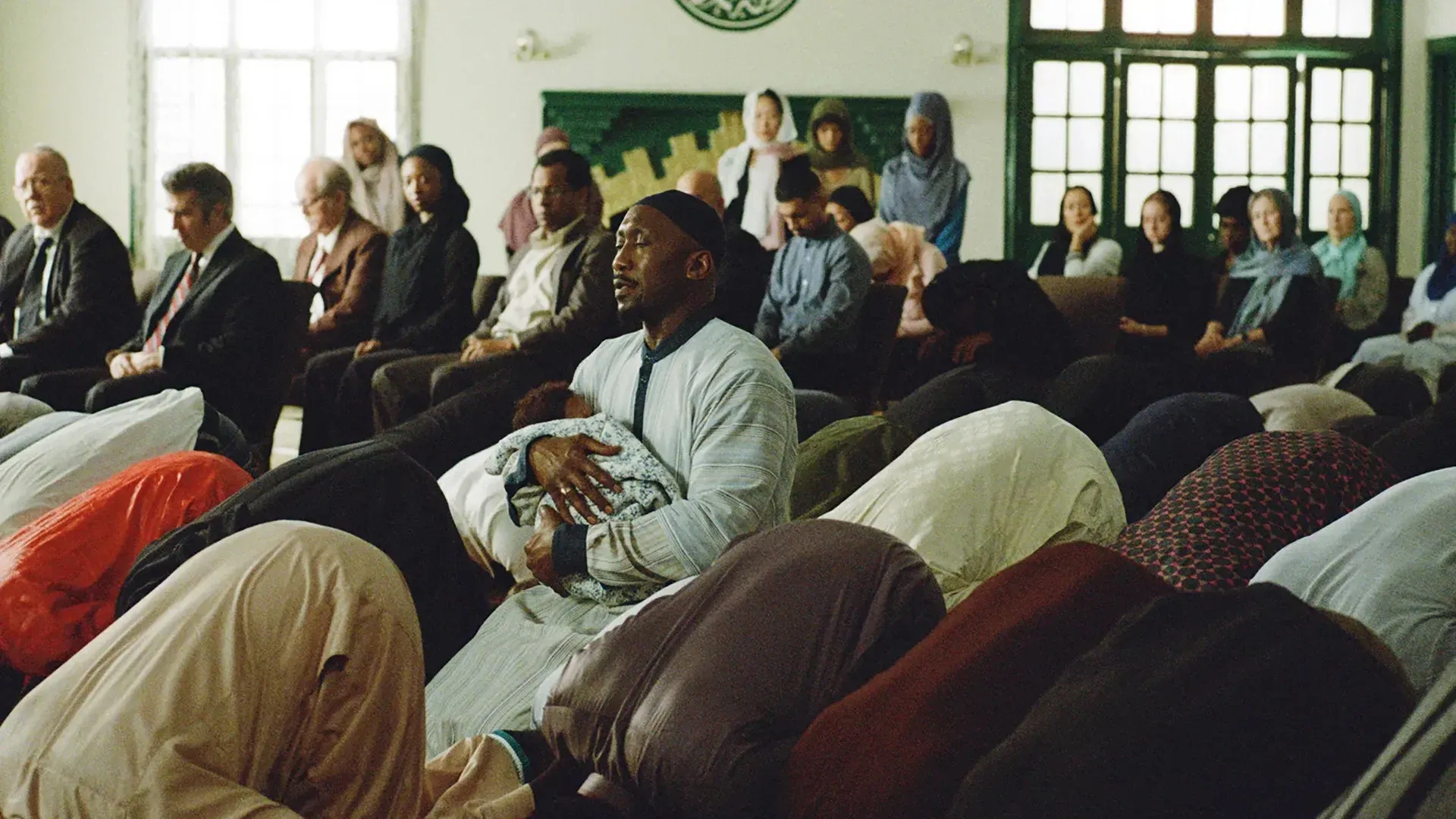
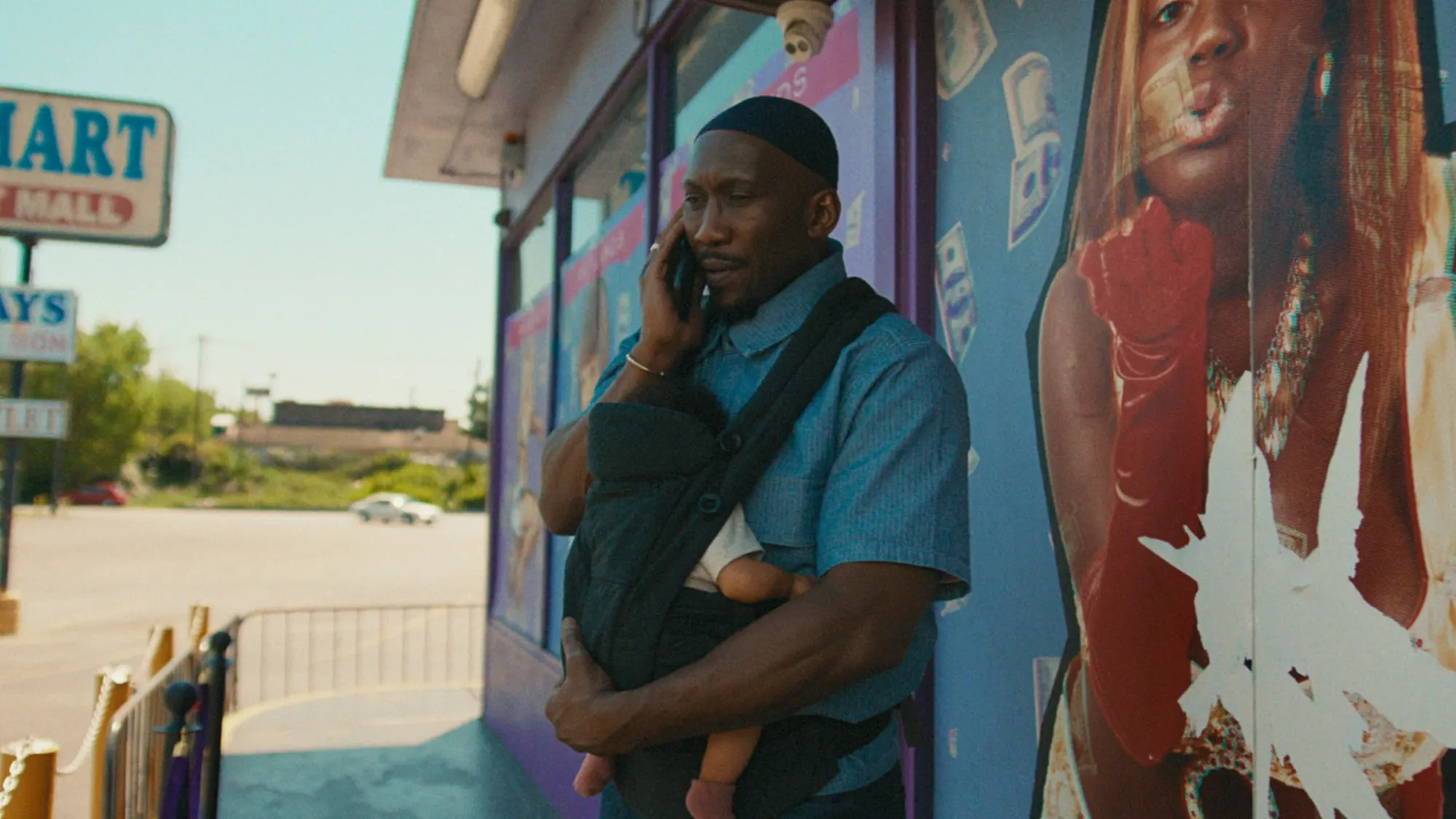
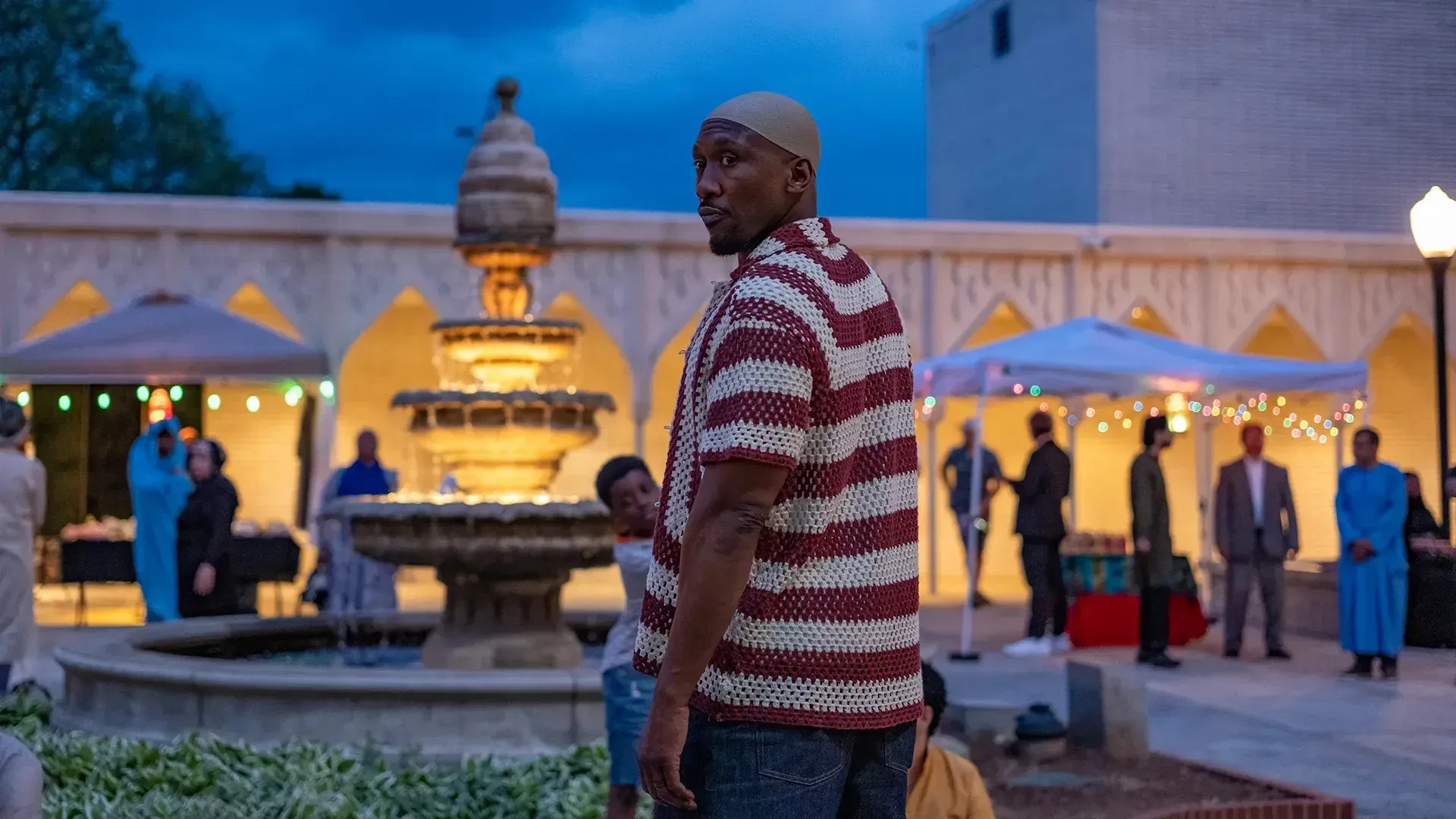
Your Mother Your Mother Your Mother is a poetic, bloody contemplation of faith and family in modern society. Unlike most movies about assassins that opt for lavish spectacle, Bassam Tariq grounds Your Mother in the need to find breast milk for Aziza, which might be the most novel plot driver for an action film ever. This leads Latif around blue-collar Houston, from bureaucratic milk banks to his local mosque, and even strip clubs in his desperation to feed his baby. Each step of the way, he's increasingly confronted with his limits as a parent and the hypocrisy of his murderous occupation while raising his children to be strict followers of Islam.
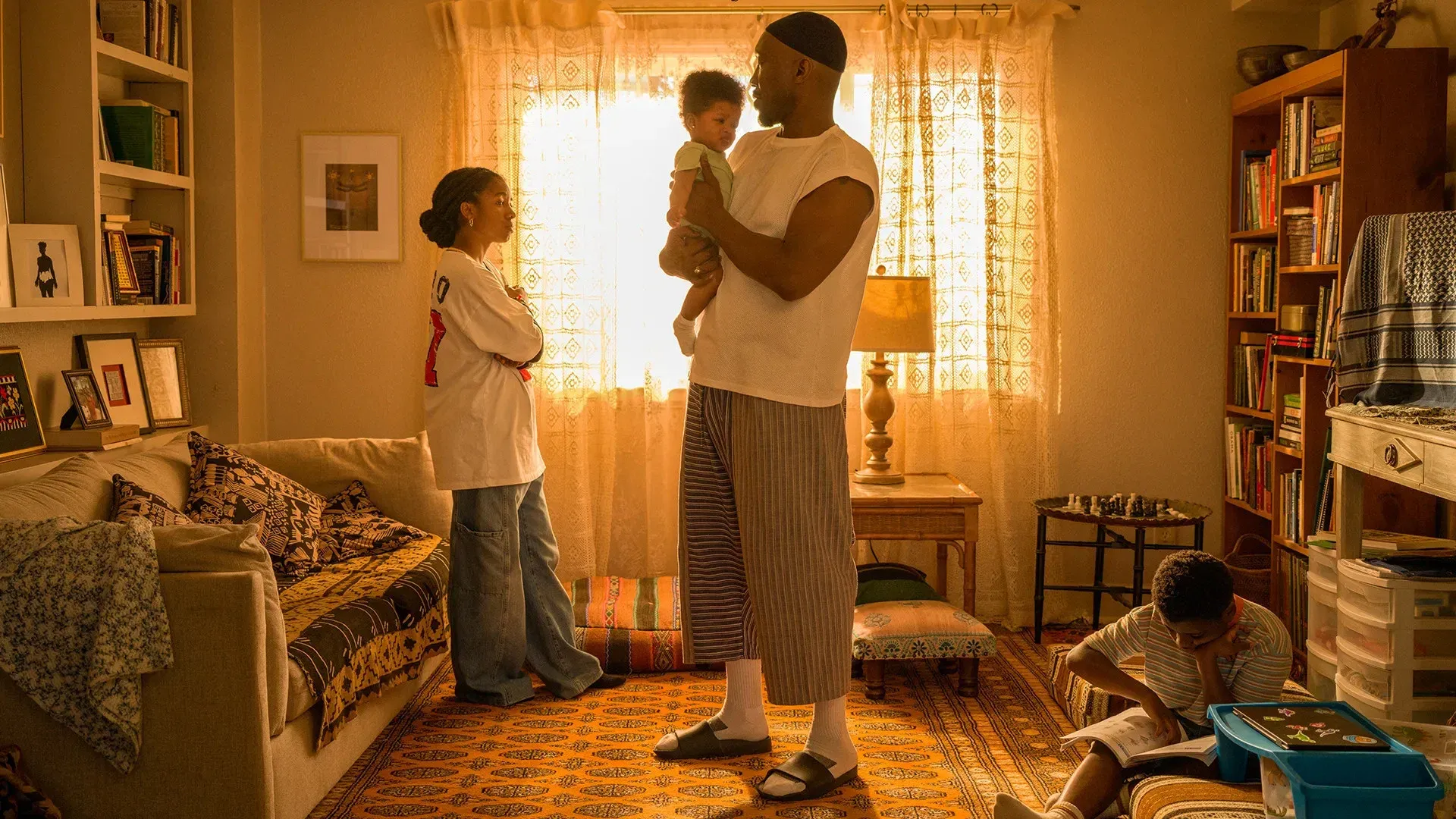
His quest increasingly keeps him away from his children, leaving Fatiha to look after Qadir. This is Adia's debut feature role, and her performance is a revelation. Her Fatiha is a regular teenager whose faith is genuine, but she also secretly breaks fasts whenever she can get away with it. She's also lost her mother at a crucial time as she's beginning to explore her sexuality, crushing on the kind Mormon boy next door and discovering porn, which Latif definitely doesn't know how to handle. She's also not afraid to confront her dad about his absences, and Adia more than holds her own against the veteran Ali in these sequences.
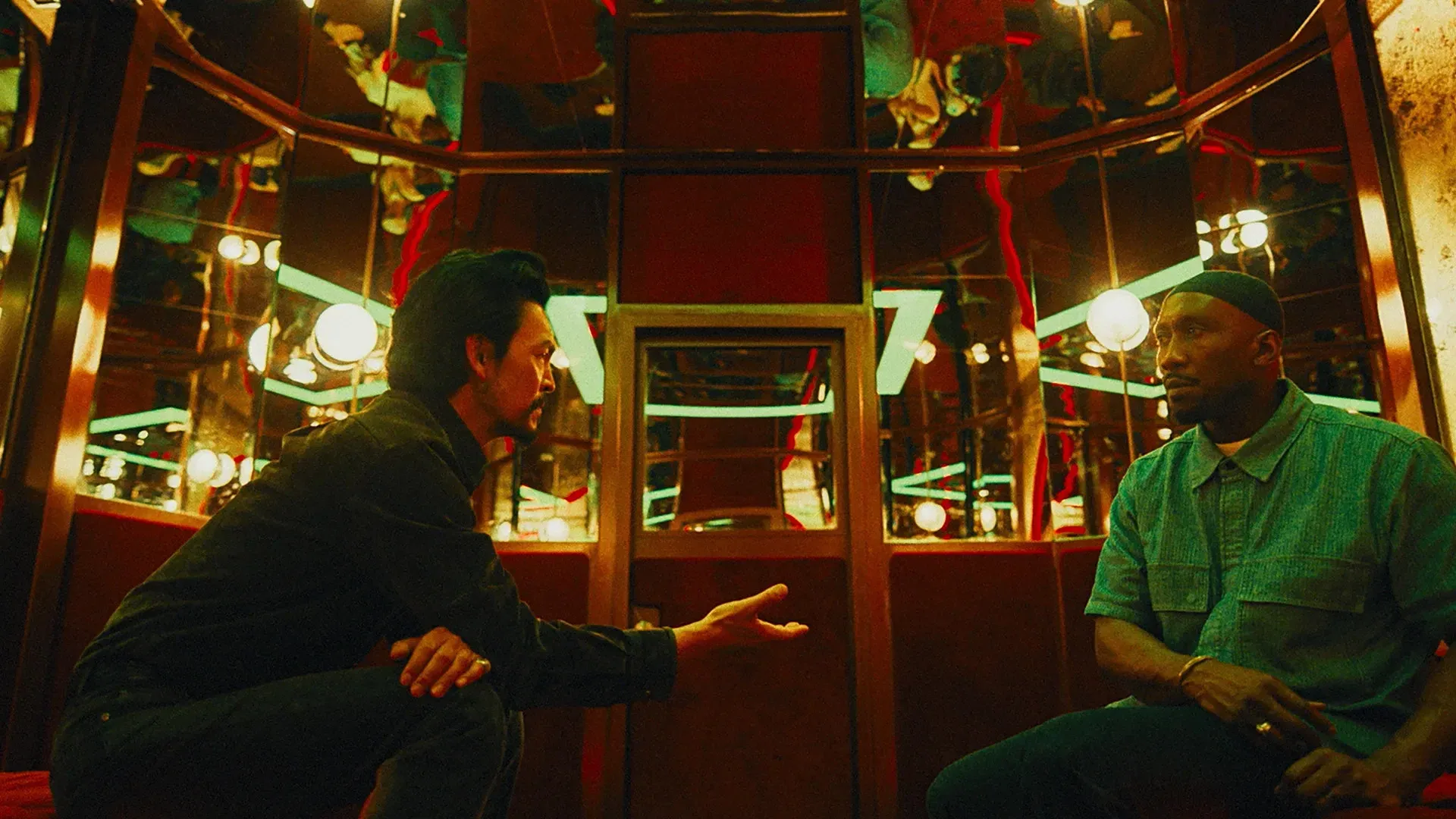
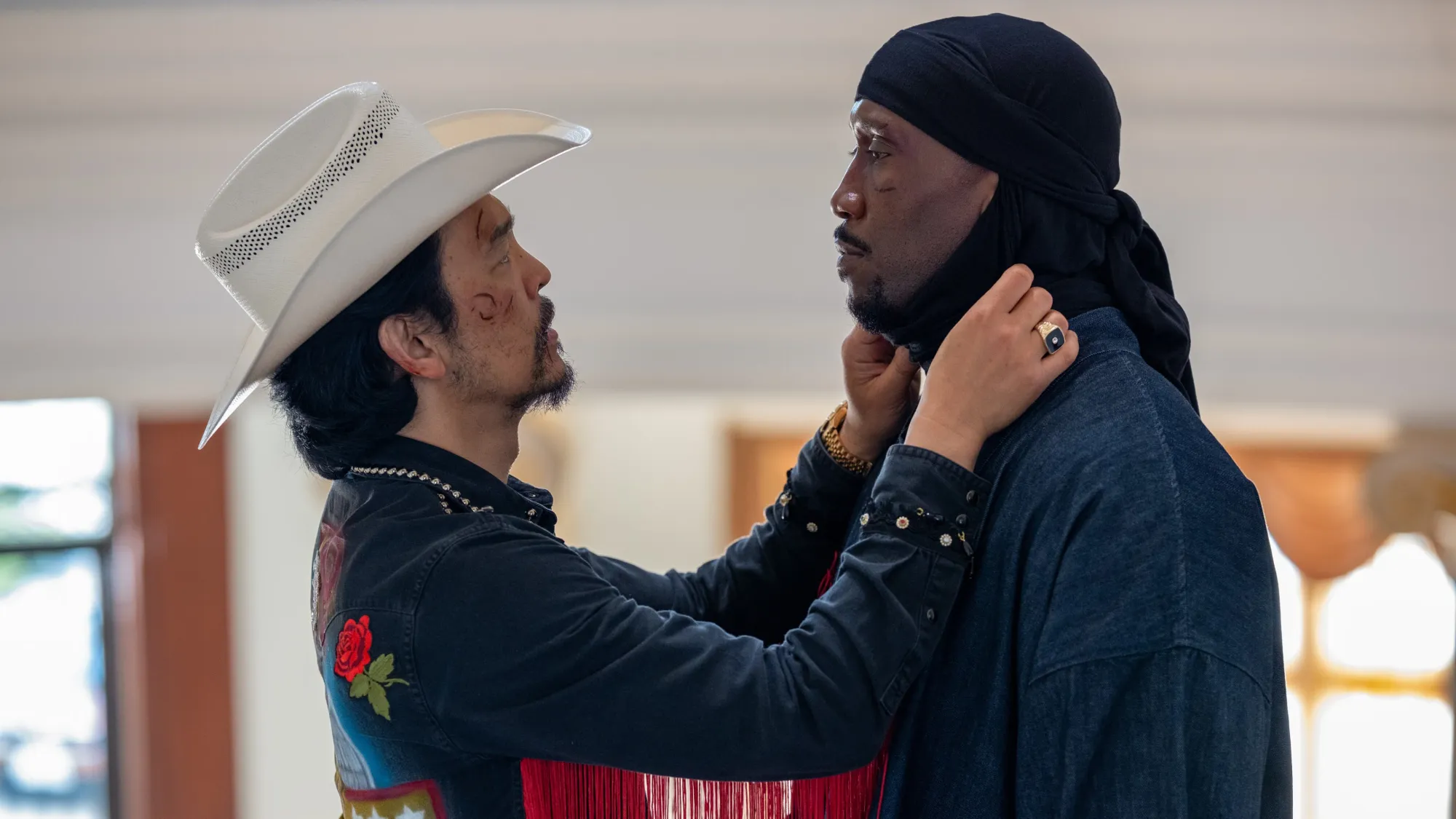
John Cho is another marvel, playing Hwan Yoo against type as an ostentatious cowboy with a gold grill, as charismatic as he is zealous. He comes across as an over-the-top caricature of an evangelical Christian MAGA cultist, but Cho locates an honesty in the character that keeps him from becoming a parody. Humanizing him doesn't excuse his psychopathy, but it makes him a near-mirror image of Latif in a way: a deeply pious man, committed to his family (in the form of his cult) and to a violent crusade for his God. This portrayal smartly invites us to measure the distance between them, and where those differences matter most.
Of course, the standout here is Mahershala Ali himself. Latif is a man of few words, dignified, and resolute, but internally, he's coming apart at the seams. He's unable to process his own grief, so how can he help his children process theirs? Can he fill the hole left behind by Khadijah's death? Ali masterfully conveys all this primarily with deep, soulful eyes that betray the turmoil inside his physically imposing body. His strength and swordplay aren't what his family needs, but they're all he knows how to wield.
Despite all this spiritual navel-gazing, Your Mother is still an action movie. The violence isn't the focus, but when it happens, it's visceral, brutal, and realistic. All of Ali's training for Blade is on full display, and while thrilling, it's tempered by the reality of the character's age (and presumably the actor's). Latif is lethal as an ex-Marine, but he's not a superhero, and he takes as much as he gives. Adam Hart's magnificent stunt choreography sells the messiness and awkwardness of real fights, aided by Katelin Arizmendi's cinematography and Cam McLauchlin's editing.
The screenplay examines the intersection of faith and modern society without being preachy or even advocating for any particular faith. It's not interested in conversion, but observation. This is best exemplified in Latif's son Qadir (Jahleel Kamara), who has inherited his father's piety, but with a child's understanding of what that actually means in relation to the world. This creates a surprising amount of humor about the tenets of Islam as applied to everyday life, but the film remains respectful, coming from honesty and lived experience rather than mockery.
All the film's soul-searching collides in the climax, and the resolution is unexpectedly beautiful and poignant; though, to be fair, its audacity can feel jarring and may lose some of the audience. Your Mother Your Mother Your Mother constantly subverts expectations about what an action movie and a faith-based movie can be. Bassam Tariq and Mahershala Ali have crafted one of the year's best films: entertaining, introspective, and a thrilling victory lap for the two artists. As much fun as their Blade movie might have been, this is the movie they were destined to make, and Marvel's loss is our gain.
The Afterimage
I'm an atheist (raised Catholic), so faith-based movies aren't really a genre I strive to watch, but I am a sucker for ones that deal with a crisis of faith. I have more of a problem with organized religion than spirituality itself, and I recognize that wrestling with our place and meaning in the universe is one of humankind's oldest struggles and worthy of exploration. Martin Scorsese's Silence is one of my favorite movies, and I also felt Rian Johnson's Wake Up Dead Man examined the divide between an atheist and a believer eloquently and honestly.
It took me longer to write this Feature review for Your Mother Your Mother Your Mother than others because it was hard to distill everything I've been thinking about in the week and a half since seeing it into something that wasn't endless rambling. It was also difficult to keep the Review section from becoming a recap instead of an analysis. I don't know that I fully succeeded, since there's so much about this film I could ramble on about for hours, but I think that's a testament to its depth. In any case, what I most want to talk about is the film's ending and what it says about faith and family.
Spoiler Warning
At the climax, we get the all-out brawl that the movie's been building toward: one grieving Muslim ninja against a horde of evangelical Christian psychopaths. Against these odds, Latif slices a bloody path through the flock, and for a second, he's a righteous wrath set against them, but in the next, he's cut down by Yoon's assault rifle. He sinks to his knees, bent over as if in prayer, and dies. We cut to Fatiha, also bent over in prayer, crying and begging her father to come back, despite all the darkness she's recently learned about him. All that matters is her love for him and her fear of being abandoned again, and inexplicably Latif jolts up, resurrected. No one moves against him, not even Yoon, who only manages to ask, "Who prays for you?" and Latif answers, "My daughter." He returns to his family and embraces them, given a second chance to be the father his children need.
This is absolutely not the ending I expected for a movie marketed as Mahershala Ali's take on John Wick. My friend and I left the theater speechless, and I was initially confused about whether that resurrection actually happened or was a dying dream, especially since most of the movie didn't suggest magical realism or the supernatural. The film is so firmly anchored in a realistic, accessible working-class world that the introduction of a bona fide religious miracle felt jarring.
That said, earlier in the film, when we're introduced to Hwan Yoon's backstory via a YouTube interview, he claims this exact thing happened to him. He talks about being fatally maimed by an IED during his service in Iraq, and that at the moment of dying, his mother happened to be praying for his safe return. God answered this prayer, resurrecting him with glorious purpose.
On first viewing, that's easy to dismiss as the delusions of any run-of-the-mill religious grifter or cult leader, especially given how cartoonish he looks. But every interaction with Latif shows a man whose conviction is as deep and resolute as his own. He's genuinely upset that his followers killed Latif's imam and other innocents in the search for him. His fight is against depravity, not Islam, and he laments that his followers went too far (he wasn't there). When Latif arrives at the compound, Yoon all but embraces him respectfully as a fellow holy warrior on a different path. And are they really so different? They're both crusading killers, purging the world of God's enemies. Yoon uses bullets; Latif uses his sword. I don't think Latif ever planned to leave the compound alive, but after seeing his reflection in Yoon's dark mirror, I doubt he even wants to.
Latif's resurrection implies that Hwan Yoon's may have been genuine too. If so, their responses to their divine miracles are where any similarities end. Yoon adopted a violent crusade (or merely traded one for another), embracing death with his renewed life. Latif, in turn, gives up his crusade, since it's what separated him most from his family.
For example, when he comes home after his wife has passed, their apartment is covered in little notes and reminders for her and the children, and he looks as though he's seeing them for the first time. Latif tried to instill his own devoutness in his kids, and his son Qadir has taken to it the most. But attempts to scold his daughter for looking at porn or his son for falling victim to Western pop culture's ideas of Islam fall on deaf ears, as just another buzzkill from a father who's rarely around.
The search for Aziza's breast milk brings his reliance on Khadijah into stark relief and shows how he's taken for granted that she's raised the family. He physically cannot give Aziza what she needs, and he approaches this problem the same way he approaches his work: bribery, attempted theft, pressuring his kids to take action, enlisting a lactating prostitute. There is no doubt he loves his family, but trying to fill the space Khadijah left behind means he's trying to be her instead of just being present.
This is most heartbreakingly apparent as the family is fleeing Mike and Yoon. Fatiha understands their danger; Qadir is oblivious. He only knows they've missed morning prayer and keeps asking to pull over and pray. Latif says they'll pray later, but Qadir, ever the dutiful and devout son, keeps reminding him the rules of their faith require it now. Finally, Latif snaps, pulls over, and orders him outside to pray, for all the good it will do since no one is listening. Mortified and confused, Qadir obeys, but his voice breaks, and he breaks down crying. Fatiha goes to console him, and all Latif can do is sit in his shame, unable to even look towards his son as he hears his sobs.
The title hadith instills a deep reverence for mothers in Islam, and Latif's piety had either taken this to an extreme or become his excuse for being an absent father. His journey to redemption is hard-won, even if it cost him his life. But the miracle that brings him back to his family wasn't at all related to his time as a self-appointed sword of God. It's his children's love and him finally realizing what they already know. He doesn't need to replace their mother; he only needs to be one thing: a loving father.
Projection Booth
- I thought I was your sword. Now I have to fill her shoes.
- Latif
- "Why did you leave me?" "So I could come back to you."
- Fatiha (asking), Latif (answering)